
DALI Lighting Protocol Analysis for LED Control
DALI protocol analysis with Zeroplus logic analyzers: decode start, address, command, data and stop fields, with reverse decoding and automatic baud detection.

DALI Interface Protocol Analysis for Lighting System
The Protocol Analyzer DALI Interface is applied in the LED Lighting Control System. The Protocol Analyzer DALI Interface adopts the master-slave system structure. Each DALI Interface system can connect 64 devices at most. The transmission speed is about 1.2 K BPS for the common DALI Interface. On the aspect of Data Transmission, the DALI Interface adopts MANCHESTER Encoding Mode. It can improve the working efficiency of the Lighting Device according to the control of the Protocol Analyzer DALI Interface.
With Zeroplus logic analyzers and DALI Interface analysis capability, engineers can capture, decode, and interpret communication packets and baud rate settings more efficiently for LED lighting control system validation, device integration, and on-site debugging.
Function Introduction
The status of the packets (START, ADDRESS, COMMAND, DATA and STOP, etc.) in the signal of the DALI Interface can be analyzed by the Protocol Analyzer DALI Interface of ZEROPLUS Technology. Since the DALI Interface adopts two signal lines to transmit data by way of the differential mode, in the Protocol Analyzer DALI Interface Decoding Module of ZEROPLUS Technology, engineers can set whether the connecting signal selects the reverse decoding or not, and whether the Baud Rate in the Signal is judged by the Protocol Analyzer automatically or not; it can improve the working efficiency when doing the development, and also it can save the time of the manual decoding and calculation.
- BUS Line: D+ or D-
- Baud Rate: 1.2K BPS
- Voltage: MAX 16V
- Area of Project Application: LED Lighting Control
- Gallery
-
-
 BUS Line: D+ or D-, Baud Rate: 1.2K BPS, Voltage: MAX 16V
-
- Download
-

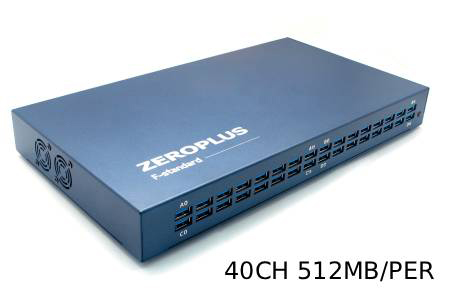
40 Channels High Speed Logic Analyzer
LAP-F140512M | FM00006147
The 40-channel High-Speed Logic Analyzer: Engineered for synchronized multi-bus measurement...
Details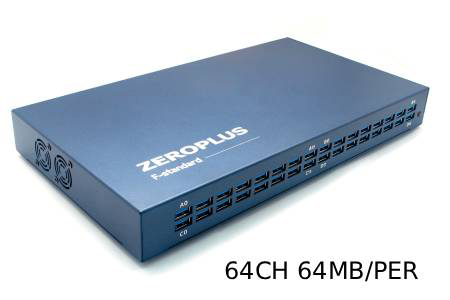
64-Channel Synchronous Logic Analyzer
LAP-F164064 | FM00002619
Harnessing a 64-channel synchronous monitoring core, this system supports internal timing sampling...
Details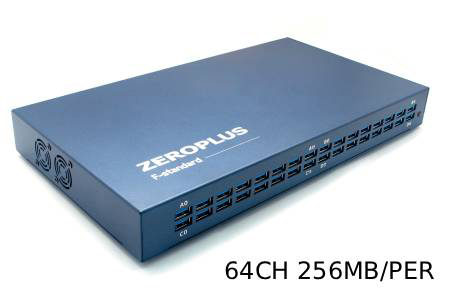
64-Channel Advanced Logic Analyzer
LAP-F164256M | FM00006156
The 64-Channel Advanced Logic Analyzer stands as a perfectly balanced model, integrating 64-channel...
Details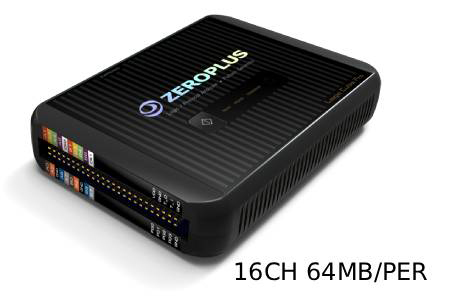
16-Channel Entry-Level High-Performance Logic Analyzer
LAP-C Pro 16064M | FM00007890
The 16-Channel High-Performance Logic Analyzer is ideal for digital development tasks requiring...
Details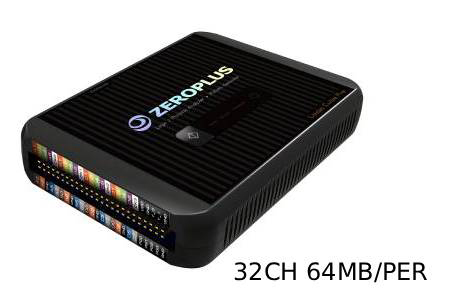
32-Channel High-Performance Logic Analyzer
LAP-C Pro 32064M | FM00007893
The 32-Channel High-Performance Logic Analyzer is ideal for digital system verification tasks...
Details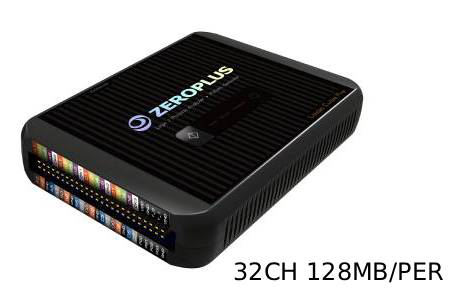
32-Channel Advanced High-Performance Logic Analyzer
LAP-C Pro 32128M | FM00007896
The 32-Channel Advanced High-Performance Logic Analyzer is ideal for development and verification...
Details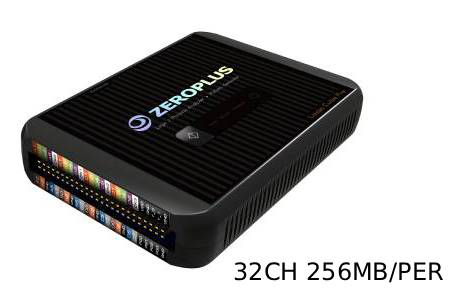
32-Channel Flagship High-Performance Logic Analyzer
LAP-C Pro 32256M | FM00007899
The 32-Channel Flagship High-Performance Logic Analyzer is ideal for advanced development environments...
Details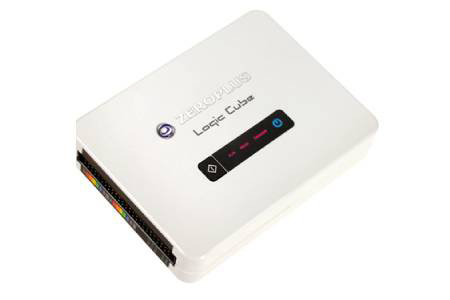
16-Channel Standard Logic Analyzer
LAP-C 16064 | FM00000118
The 16-channel standard logic analyzer is ideal for daily debugging needs such as microcontroller...
Details
16-Channel Enhanced Logic Analyzer
LAP-C 16128 | FM00000116
The 16-channel enhanced logic analyzer is designed for embedded development, digital debugging,...
Details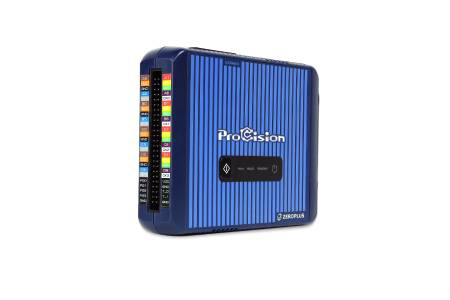
ProCision System Stability Analyzer
FM00011874
The ProCision is a high-density system stability analyzer engineered to replace limited 4-channel...
Details Download
Popular Products
Decoding DALI Lighting Commands
DALI controls LED drivers and other lighting devices in a master-slave structure, and commissioning faults are usually traced by checking which address a command reached and how the device replied. The decoder reads D+ or D- at 1.2K BPS with a maximum of 16 V.
The Zeroplus DALI decoder shows start, address, command, data and stop fields. Because DALI is differential, reverse decoding can be selected in the decoder configuration, and the analyzer can determine the baud rate automatically, which simplifies on-site testing. Capturing the bus during commissioning lets each address assignment and device reply be checked in order. DALI is slow, so analyzer selection is usually about portability and the number of control lines to capture.