
DisplayPort AUX Channel 1.2a Protocol Analysis
DisplayPort AUX channel 1.2a decoding with Zeroplus logic analyzers on the AUX-CH+ and AUX-CH- pair at 1Mbps.

DP AUX Channel 1.2a Protocol Analysis for Media
Though the DisplayPort interface is less popular than the HDMI interface, the latter is mainly used in household appliances, but the former is in PC application environments. In the beginning, they seem to have no direct conflict; but in the future when the hardware engineers design their devices, they shall consider the popularity of interface appliances and its importation cost, then decide to select which video interface. Now users need to pay the license fee for the HDMI, but DisplayPort is free. Since the profit of consumer electronics becomes smaller and smaller, many manufacturers will begin to use the DisplayPort.
With Zeroplus logic analyzers and DP AUX Channel analysis capability, engineers can capture, decode, and interpret AUX channel signals more efficiently for DisplayPort device integration, interface validation, and digital media system debugging.
Function Introduction
The DisplayPort will define the V1.2 specification (DP 1.2) soon. The current DisplayPort 1.1a supports 10.8Gbps bandwidth, the latest V1.2 supports 5.4Gbps of each channel, and 21.6Gbps of four channels at most. Besides, DP 1.2 provides the AUX Channel which is up to 720Mbps and perfectly supports USB 2.0. In HDCP area, it supports V1.3; in video data transmission area, it supports two displayers of 2560 x 1600 / 60Hz or four displayers of 1920 x 1200 or one displayer of 3840 x 2400 / 60Hz, and multi-channel audio stream. Also it supports 4K / 2K resolution and 3D digital signal transmission.
- BUS Line: AUX-CH+, AUX-CH-
- Frequency: 1Mbps
- Voltage: Depend on the DUT
- Area of Project Application: DIGITAL MEDIA
- Gallery
-
-
 BUS Line: AUX-CH+ / AUX-CH-, Frequency: 1Mbps, Voltage: depend on the DUT
-
- Download
-

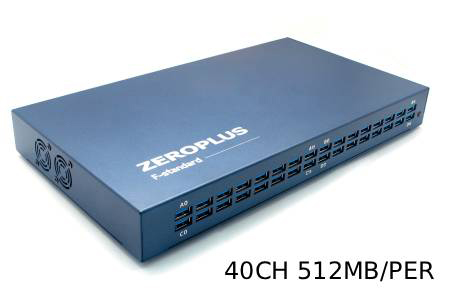
40 Channels High Speed Logic Analyzer
LAP-F140512M | FM00006147
The 40-channel High-Speed Logic Analyzer: Engineered for synchronized multi-bus measurement...
Details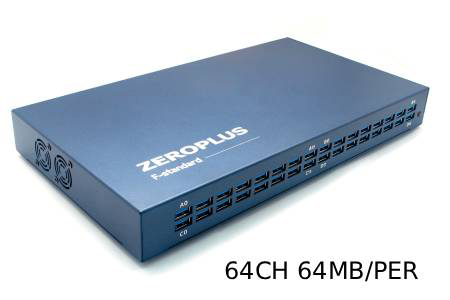
64-Channel Synchronous Logic Analyzer
LAP-F164064 | FM00002619
Harnessing a 64-channel synchronous monitoring core, this system supports internal timing sampling...
Details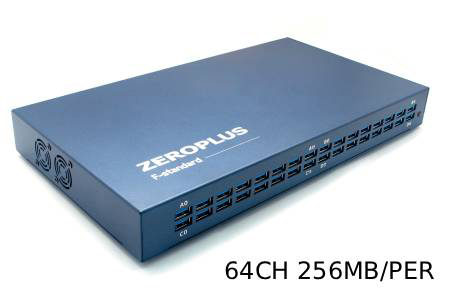
64-Channel Advanced Logic Analyzer
LAP-F164256M | FM00006156
The 64-Channel Advanced Logic Analyzer stands as a perfectly balanced model, integrating 64-channel...
Details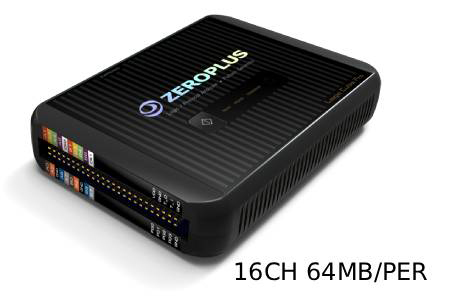
16-Channel Entry-Level High-Performance Logic Analyzer
LAP-C Pro 16064M | FM00007890
The 16-Channel High-Performance Logic Analyzer is ideal for digital development tasks requiring...
Details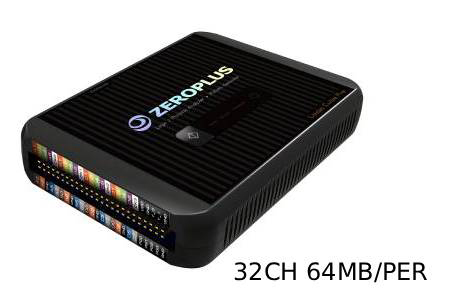
32-Channel High-Performance Logic Analyzer
LAP-C Pro 32064M | FM00007893
The 32-Channel High-Performance Logic Analyzer is ideal for digital system verification tasks...
Details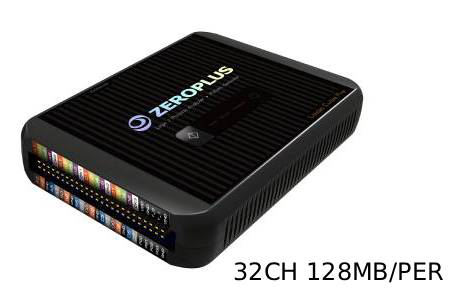
32-Channel Advanced High-Performance Logic Analyzer
LAP-C Pro 32128M | FM00007896
The 32-Channel Advanced High-Performance Logic Analyzer is ideal for development and verification...
Details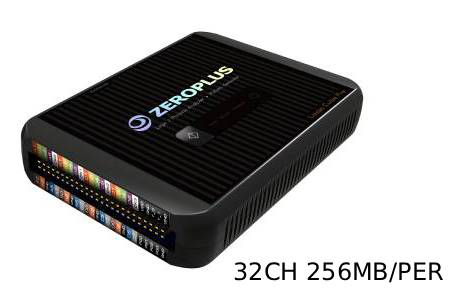
32-Channel Flagship High-Performance Logic Analyzer
LAP-C Pro 32256M | FM00007899
The 32-Channel Flagship High-Performance Logic Analyzer is ideal for advanced development environments...
Details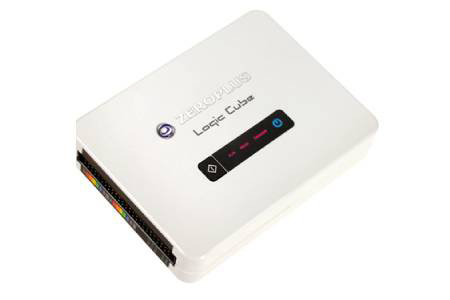
16-Channel Standard Logic Analyzer
LAP-C 16064 | FM00000118
The 16-channel standard logic analyzer is ideal for daily debugging needs such as microcontroller...
Details
16-Channel Enhanced Logic Analyzer
LAP-C 16128 | FM00000116
The 16-channel enhanced logic analyzer is designed for embedded development, digital debugging,...
Details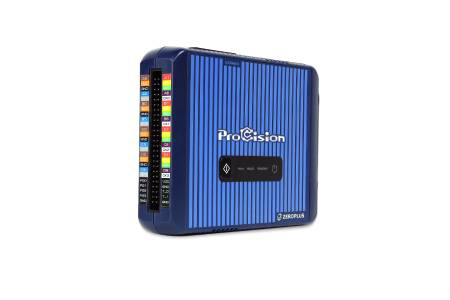
ProCision System Stability Analyzer
FM00011874
The ProCision is a high-density system stability analyzer engineered to replace limited 4-channel...
Details Download
Popular Products
Following DisplayPort Link Setup
The DisplayPort auxiliary channel carries the low-speed traffic used to set up a display link, so when a display stays blank, the AUX transactions usually show where setup stopped. The Zeroplus decoder reads AUX-CH+ and AUX-CH-; it is specified for 1Mbps, with a voltage range that depends on the device under test.
A decode demo file for LAP-C Pro models shows the decoder configuration before you connect your display system, which helps check that the decoded transactions suit your debugging work. At 1Mbps the AUX channel is well within the sample rate of any current model, so for selection, note whether AUX traffic must be captured together with other control lines in the display design, as that decides the channel count you need.